What follows is not a persuasion piece. It is a record. Over seven weeks in early 2026, I changed the composition of my daily eating to consist primarily of plant foods — vegetables, legumes, whole grains, fruit, nuts, seeds — while maintaining my usual activity level and making no other deliberate changes to my routine. The goal was not weight loss; it was observation. What actually happened to satiety, energy distribution across the day, and the figures on the scale turned out to be a more interesting story than I had anticipated.
The First Two Weeks: Adjustment and Volume
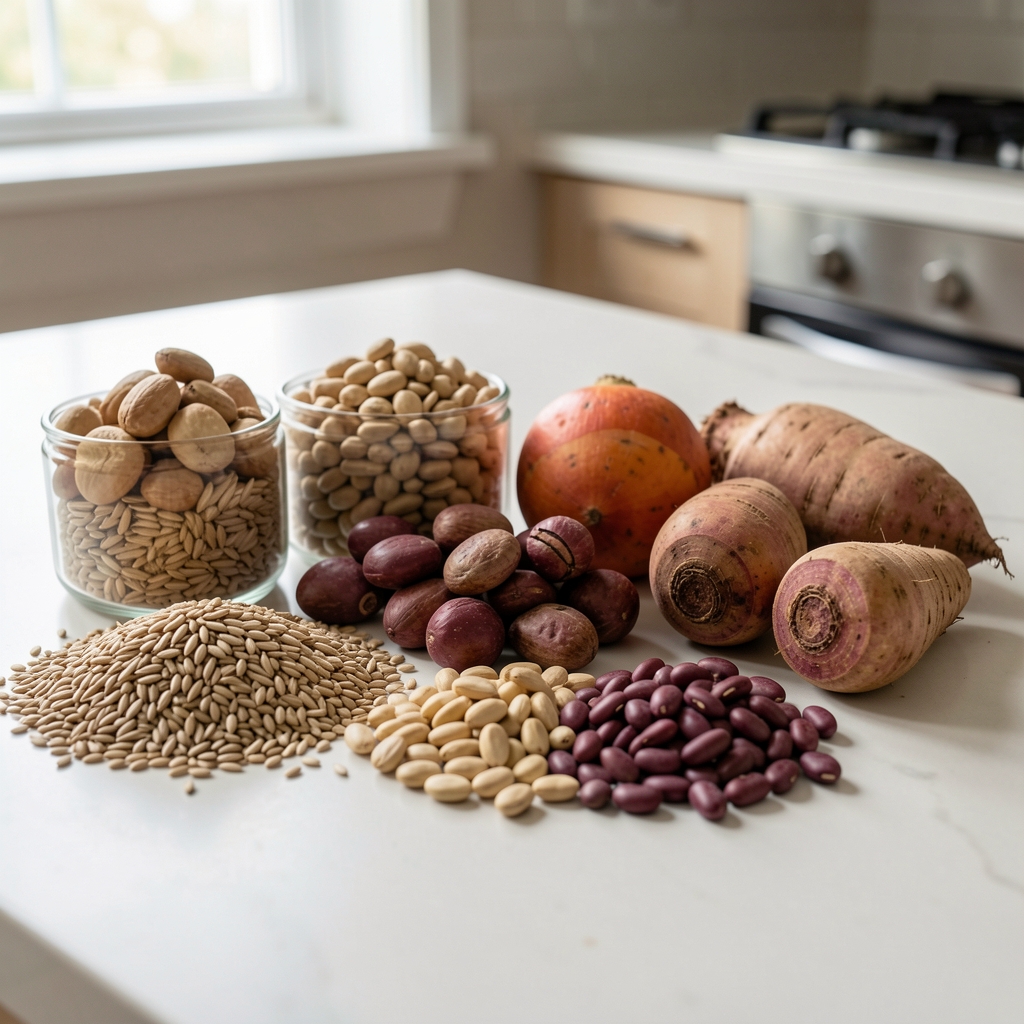
The first observation was physical and immediate: plant foods, eaten as whole foods rather than processed versions of themselves, require considerably more volume to produce comparable satiety to meals built around animal protein. A bowl of lentils and roasted vegetables is a generous bowl. It takes time to eat. It occupies real space on the table. In the first two weeks of the period, I was eating what felt like substantially more food by volume than I had previously, while the scale was moving very slowly — a few hundred grams — in a downward direction.
The mechanism here is not mysterious. Plant foods are, as a category, considerably lower in energy density than most animal-protein dishes of equivalent volume. A large plate of roasted root vegetables, chickpeas, and wilted greens contains a fraction of the kilocalories of the same-sized plate of meat and refined carbohydrates. The body's satiety signals respond primarily to volume and fibre content, not to caloric density, so the larger plant-food meal triggers a stronger fullness response while delivering substantially less energy. The result, at least in these early weeks, was eating more by volume and losing a little weight.
There was also an adjustment period, and honesty requires recording it. In the first week, mid-afternoon hunger was more pronounced than I was accustomed to. The body was recalibrating — adjusting to a different pattern of macronutrient timing, different protein sources, a different digestive pace. By week two, this had largely resolved. The appetite settled into a steadier rhythm, with hunger arriving more reliably before meals rather than appearing unpredictably between them.
Weeks Three and Four: The Protein Question
The question I was asked most frequently during this period — by colleagues, by friends who noticed the changed lunches, by a few readers who follow the journal's social channels — was about protein. How was I getting enough? The question is understandable and, in the context of plant-based eating, worth addressing directly.
Protein adequacy on a predominantly plant-based diet is achievable without supplementation, but it requires some deliberate attention to which plant foods actually carry meaningful protein quantities. Legumes — lentils, chickpeas, black beans, edamame — are the workhorses of plant protein and belong at the centre of most plant-led meals. Whole grains contribute meaningfully: oats, quinoa, and whole wheat each carry more protein per serving than most people assume. Nuts and seeds are not protein sources in the quantities typically eaten, but they contribute to satiety through fat content in ways that matter across the day.
In weeks three and four, I was eating legumes at two of my three daily meals — not from any particular plan, but because the meals I found most satisfying happened to be built around them. A breakfast of warm spiced lentils with a poached egg (yes, eggs remained in the picture — this was plant-led, not strictly plant-exclusive) kept me comfortable for four hours. Lunch was almost always some form of grain salad with a substantial legume component. By week three, satiety was genuinely not an issue. The early mid-afternoon hunger had resolved completely.
"A plant-led diet, done with any attention at all, is not a diet of deprivation. It is a diet of volume and variety — which turns out to be a more satisfying combination than most dietary frameworks acknowledge."
Weeks Five and Six: Gradual Weight Change and Energy Distribution
By week five, the weight change that had begun tentatively in weeks one and two had become more consistent. The total was modest — approximately 1.8 kilograms over five weeks — but the pattern was what interested me more than the number. The change was gradual and uninterrupted. There were no days of dramatic loss followed by partial recovery, which is the typical signature of an eating change that is too restrictive to sustain. The body was simply, quietly, adjusting.
More notable, in daily experience, was the change in energy distribution across the day. The mid-afternoon slump that had been a reliable feature of my working day — the period between roughly 14:30 and 16:00 when concentration becomes effortful and the pull toward a second coffee is strong — was substantially reduced. This was not a feature I had anticipated, and I want to be careful about how I characterise it: this is a personal observation, documented in a food journal, not a controlled observation. But the consistency of the pattern across five weeks makes it hard to dismiss as coincidence.
The likely explanation is connected to the glycaemic character of plant-based whole foods. Whole grains, legumes, and non-starchy vegetables release energy more slowly than refined carbohydrates or the higher-fat, lower-fibre composition of many animal-protein-centred meals. The result is a steadier energy curve across the afternoon, with fewer of the peaks and troughs that follow rapidly digested meals. Whether this is the full explanation or merely a plausible one, I cannot say with certainty. It was, however, a consistent and noticeable feature of the period.
Week Seven: What the Record Showed
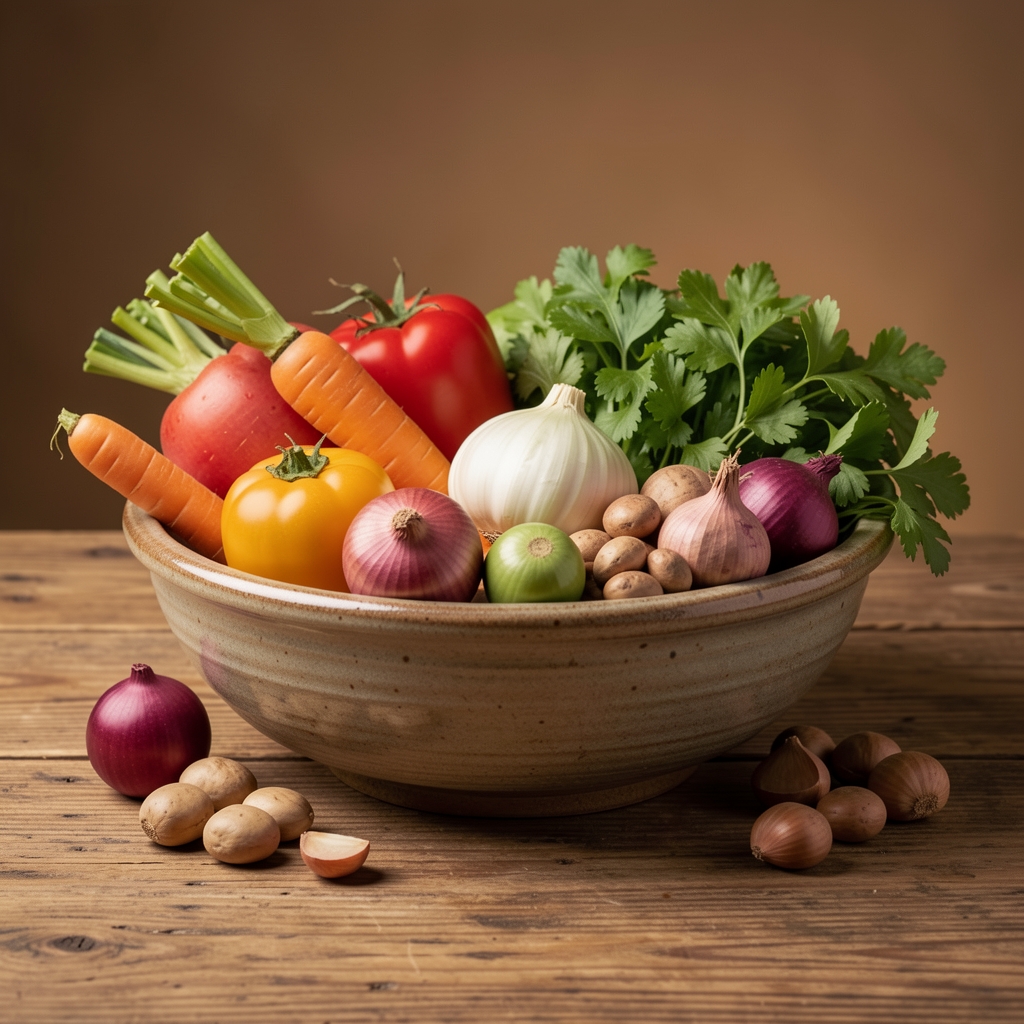
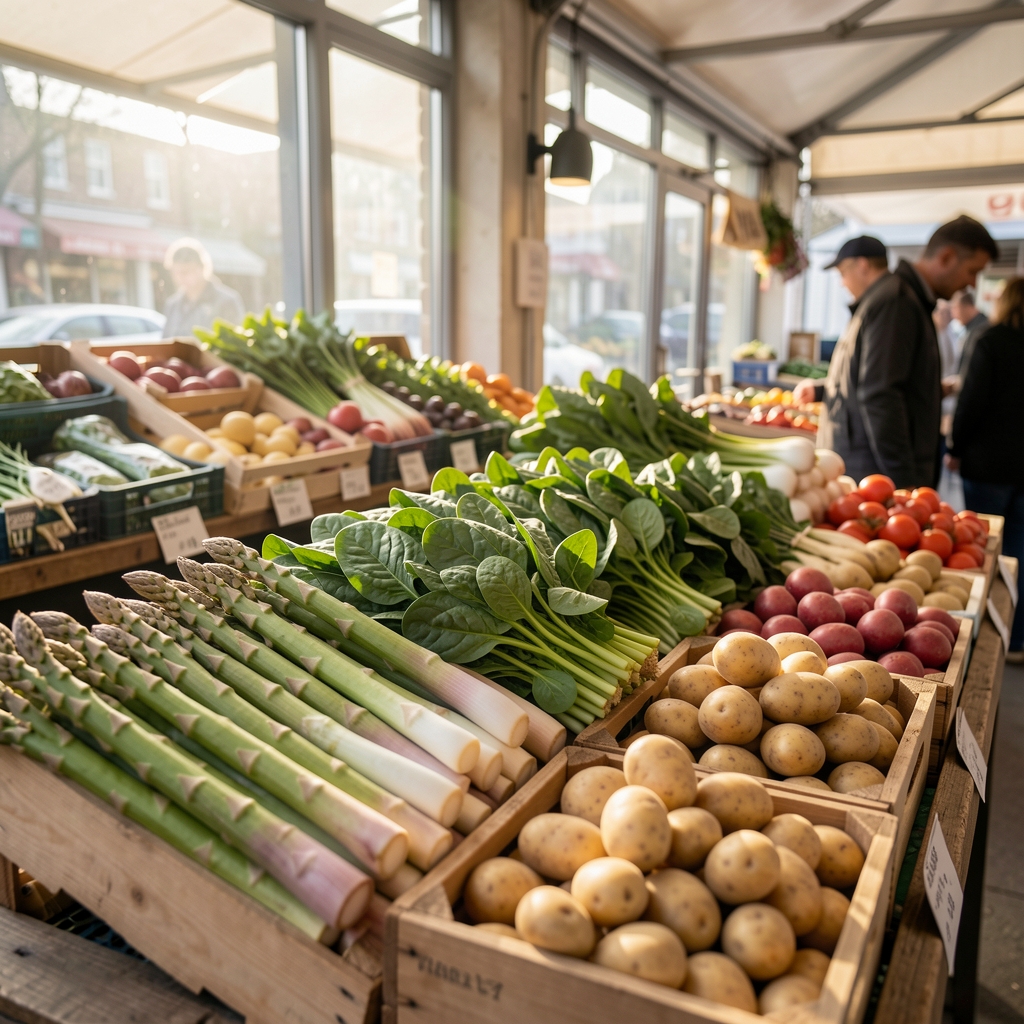
At the end of the seven weeks, I reviewed the food journal I had kept throughout. Several things were immediately apparent. The variety of vegetables I had eaten was substantially greater than in any comparable period recorded in previous journals: thirty-one distinct vegetables across seven weeks, compared with an average of fourteen in the preceding month. Fruit consumption had roughly doubled. Legume intake — previously occasional — had become genuinely daily.
The weight change, at 2.1 kilograms over seven weeks, was within the range that nutritional literature describes as consistent with gradual, sustainable adjustment rather than the kind of rapid shift that tends to reverse. The body had not been depleted or stressed; it had settled at a slightly lower equilibrium without any particular effort. The eating had been genuinely enjoyable — a point worth making explicitly, since the cultural narrative around weight-related eating changes so often involves deprivation.
What the record also showed, and what I think is the most interesting finding of the period, is how thoroughly the change in food composition had altered the texture of daily eating. Meals took longer to prepare, and this was not a drawback: the preparation itself became a form of attention, a brief daily engagement with the ingredients that made the eating that followed feel less automatic. The plant-led kitchen is, almost by necessity, a cooking kitchen — and cooking, as noted in previous articles in this journal, is itself a contributor to nutritional awareness.
- 01 Plant-based whole foods require larger volume to produce satiety, but their lower energy density means the net caloric intake tends to fall.
- 02 Protein adequacy requires deliberate attention to legume and whole grain intake; it is achievable without supplementation but not by default.
- 03 Gradual weight change — 2.1 kg over seven weeks — suggests a pace consistent with sustainable adjustment rather than restrictive loss.
- 04 Energy distribution across the day became more even, with the mid-afternoon energy trough reduced in both frequency and intensity.
- 05 Dietary variety increased substantially: 31 vegetables in 7 weeks, compared with 14 in the preceding month of standard eating.
Articles published on Tarelona Letters are editorial in nature and reflect the writers' observations on everyday nutrition practices and weight awareness. The content is not intended as professional advice, nor as guidance for the management of any specific condition. Readers with specific concerns about their daily routines are encouraged to speak with a qualified wellness professional.